CHAPTER I · THE WORKSHOP MANIFESTO
Why Authentic Seaside Candy Still Begins with Copper, Marble, and Unhurried Hands
Anyone who grew up spending July afternoons along the American Atlantic coast remembers the unmistakable theater of a classic shoreline sweet parlor. Before crossing the street, you caught the warm scent of caramelized cane sugar, roasted nuts, and sweet vanilla drifting through screen doors while rhythmic brass hooks folded glossy ribbons in the front window.
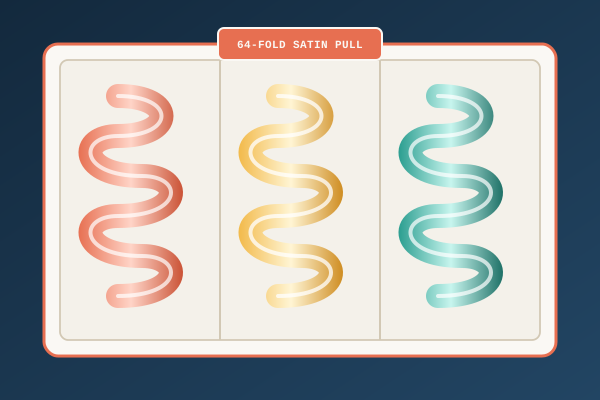
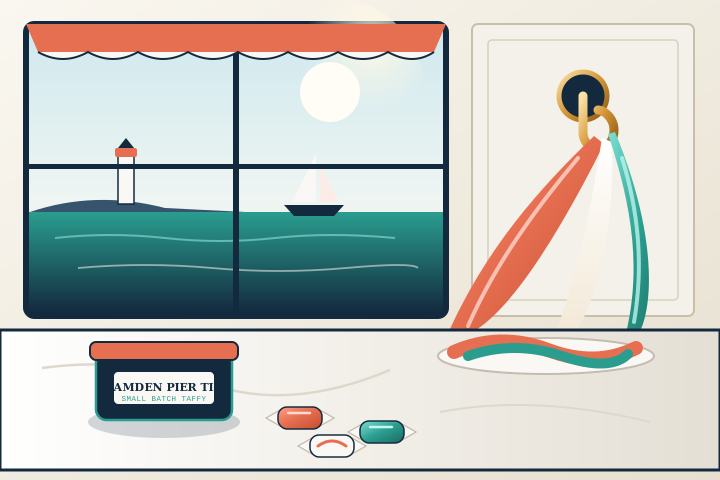
At Harborbell Confectionery in Camden, Maine, our confectioners guard those exact mid-century methods. Mass-produced candies rely on high-speed extruders and synthetic stabilizers that leave behind a heavy, waxy bite. By contrast, true traditional taffy hook craft folds thousands of tiny coastal air pockets into warm sugar and cultured butter—transforming dense syrup into an opaque, satin-sheen chew that yields effortlessly and releases bright fruit, mint, or molasses aroma the instant it warms on the tongue.
“The secret to a memorable childhood sweet was never excess sugar—it was aeration, real creamery butter, and the split-second kettle intuition that separates glass-crisp honeycomb brittle from ordinary hard candy.”
- Seasoned Copper Kettles: Heavy-gauge copper distributes heat evenly so nut brittles caramelize to a clean golden amber without bitter scorched edges.
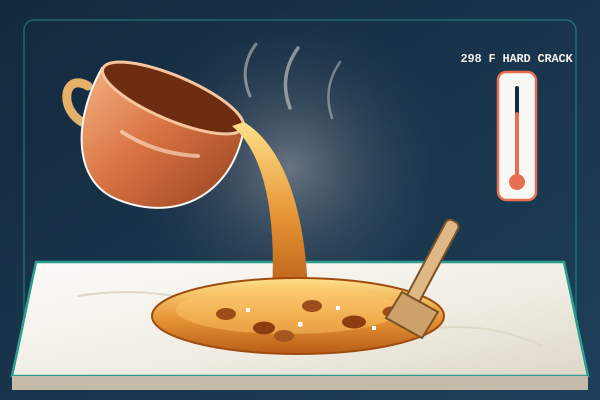
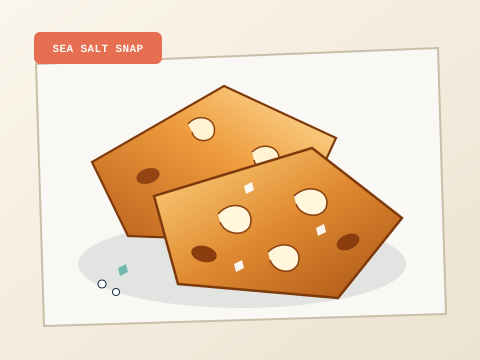
- Chilled Carrara Marble Slabs: Natural stone draws heat rapidly out of 298°F pours, locking micro-aerated honeycomb bubbles around whole roasted cashews and pecans.
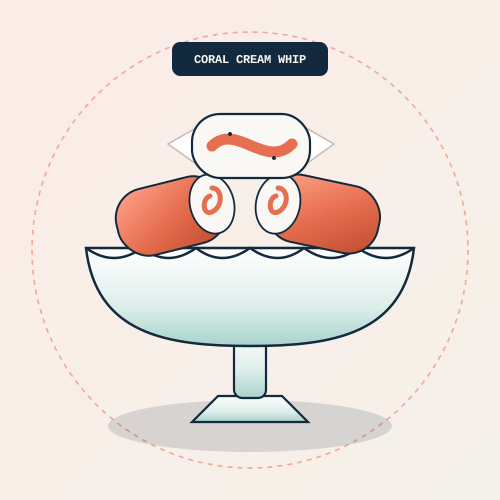
- Twisted Fluted Wax Wraps: Every piece of pulled saltwater taffy is dressed in classic twisted wax paper ready for heirloom parlor candy dishes and holiday gift assortments.